Monetization
The Subscription Monetization Model: How Digital Companies Build Recurring Revenue and Increase Customer LTV
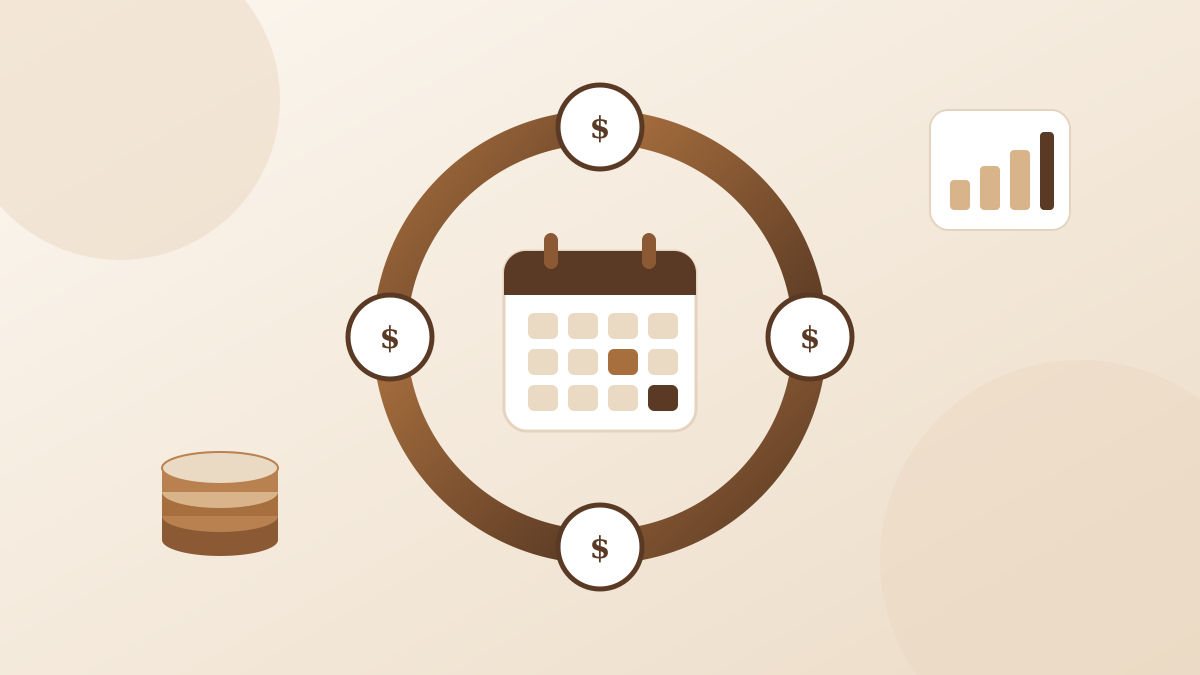
From streaming services and software to coffee delivery and fitness apps, subscriptions have become one of the most widespread monetization models in digital business. Their appeal is obvious: instead of selling the product all over again every month, the company receives predictable recurring revenue. But behind this simple idea lies complex economics, with customer retention at its core.
Why Investors Value Recurring Revenue
For a subscription business, the key metric is recurring revenue — MRR (monthly) or ARR (annual). It makes it possible to plan budgets precisely, hire a team and invest in growth based on forecast income. That is why companies with a high share of subscription revenue are usually valued higher by the market than companies with one-off sales at the same level of revenue.
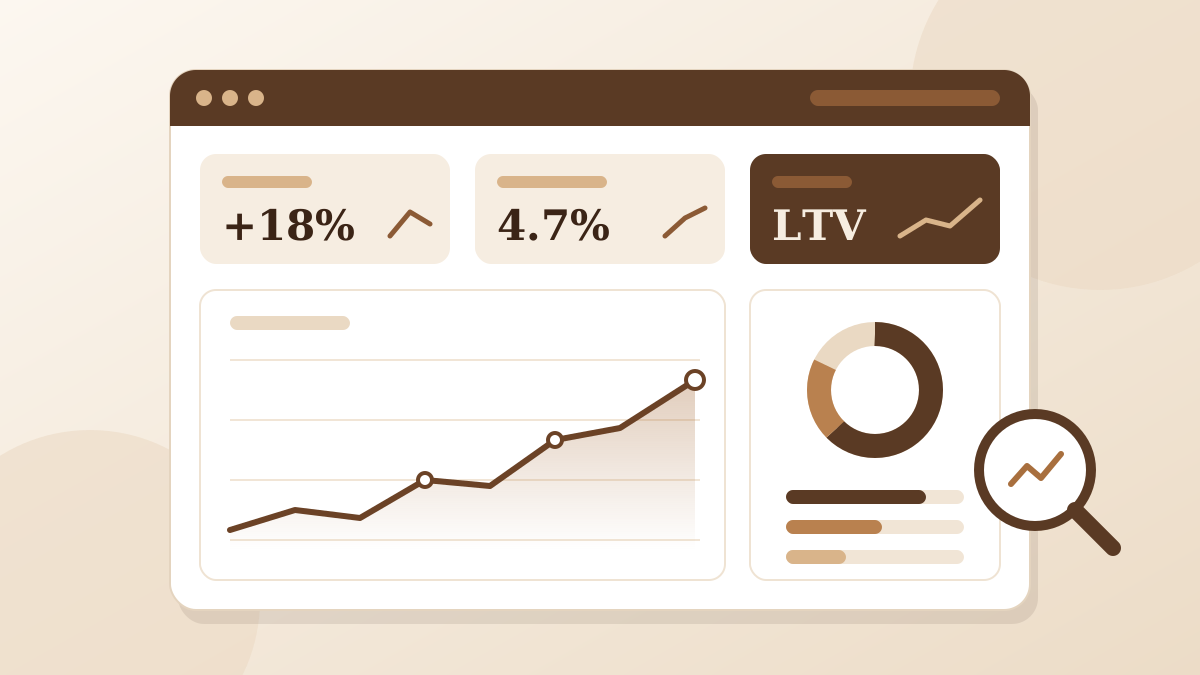
The second important metric is customer lifetime value, or LTV. In simplified form, it is calculated as the average monthly revenue per customer multiplied by the average subscription length. Hence the main conclusion: reducing churn by a few percentage points can increase LTV more than raising the price.
Churn: The Main Enemy of Subscriptions
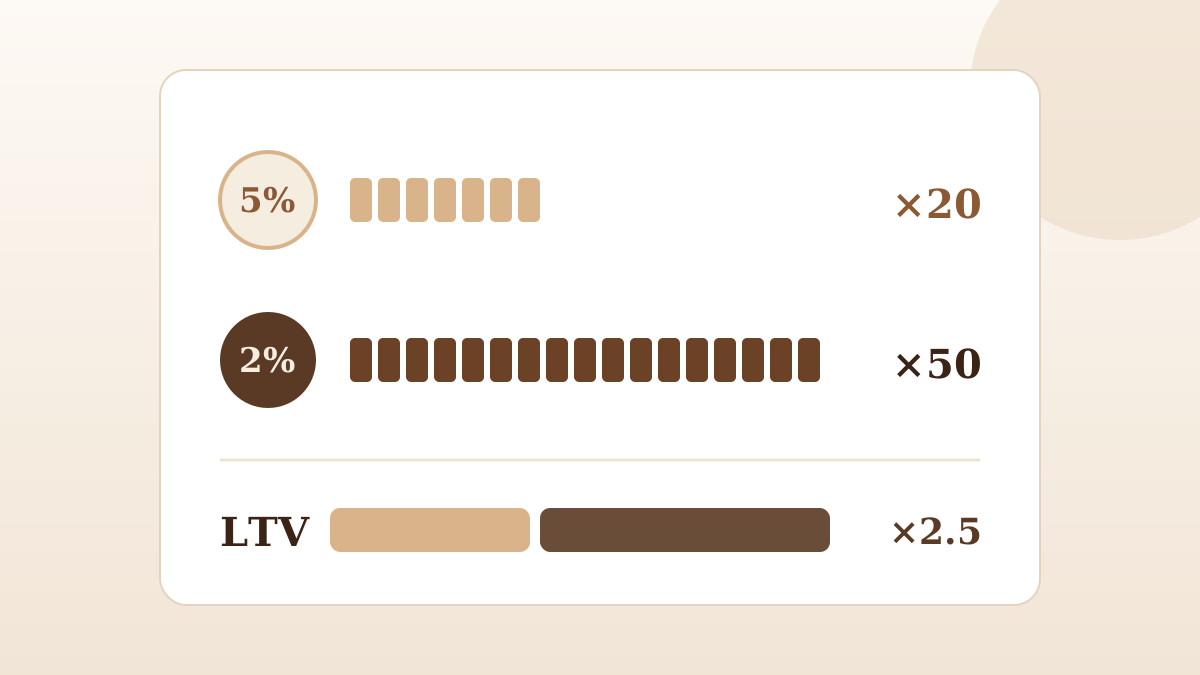
The churn rate shows what share of customers cancel their subscription over a given period. With 5% monthly churn, the average customer stays for about 20 months; with 2%, for about 50 months. In other words, the same product at the same price brings in more than twice as much money purely thanks to better retention.
Churn can be voluntary, when a customer deliberately cancels, or involuntary, when a payment fails because of an expired card or a bank limit. Involuntary churn is often underestimated, even though automatic payment retries, card-update reminders and flexible payment methods can recover a significant part of that revenue.
Tools for Increasing LTV
- Tiered pricing. Basic, standard and premium plans let customers grow with the product and let the company increase the average order value.
- Discounted annual billing. It reduces churn and improves cash flow, since the customer pays in advance.
- Onboarding that shows value quickly. The sooner a user gets their first result, the lower the chance of cancellation in the first weeks.
- Personalization and regular updates. A subscription should feel like an evolving product, not a recurring bill.
- Pause instead of cancel. The option to temporarily pause a subscription retains some customers who would otherwise leave for good.
Mistakes to Avoid
The most common mistake is betting on acquisition and ignoring retention. The company spends its marketing budget on new subscribers who cancel after a few months, effectively filling a leaky bucket. The second mistake is making cancellation difficult. Hidden buttons and confusing procedures may temporarily reduce churn, but they destroy trust, generate complaints and increasingly conflict with consumer protection requirements.
The third mistake is charging the same price to every segment. Analyzing how different customer groups use the product helps design plans that people are willing to pay for longer.
Conclusion
The subscription model rewards companies that keep proving their value. Recurring revenue is not a gift but the result of daily work on the product, the service and the stability of the platform. A business that measures LTV, keeps churn under control and communicates honestly with customers gains the most valuable advantage of all — predictable growth.