Analytics
Data-Driven Business: How to Use User Data to Optimize Conversion, Customer Retention and Profitability
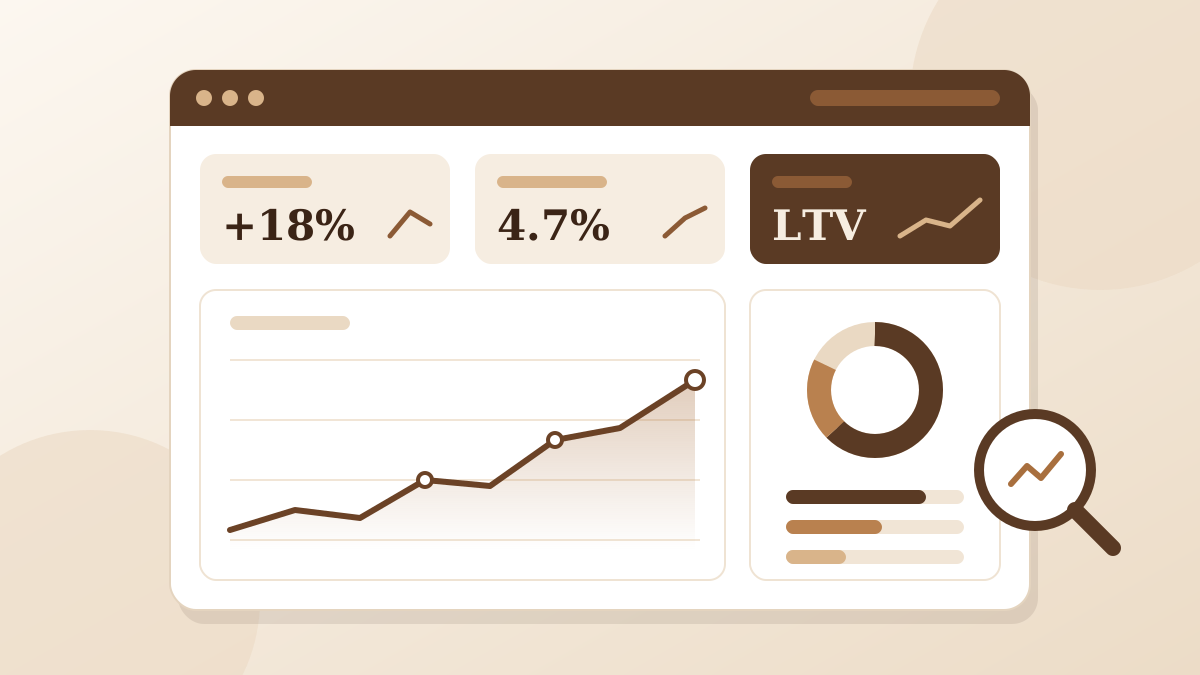
Every click, search query, item added to a cart or abandoned purchase is a signal. Companies that know how to collect, interpret and act on these signals make decisions faster and more accurately than their competitors. A data-driven approach means that key business decisions are based on verified data, not just on intuition or the opinion of the most senior person in the room.
Where Working with Data Begins
The first step is not choosing an analytics tool but defining the questions the business wants answered. Without this, companies collect huge amounts of data that nobody uses. It helps to build a hierarchy of metrics: one north-star metric that reflects value for the customer, and a set of supporting metrics that influence it.
- Events and funnels: the steps a user takes from the first visit to a purchase.
- Cohorts: how customers acquired at different times or through different channels behave.
- Segments: how the most valuable customers differ from those who leave quickly.
- Unit economics: how much it costs to acquire a customer and how much they bring in.
Conversion Optimization
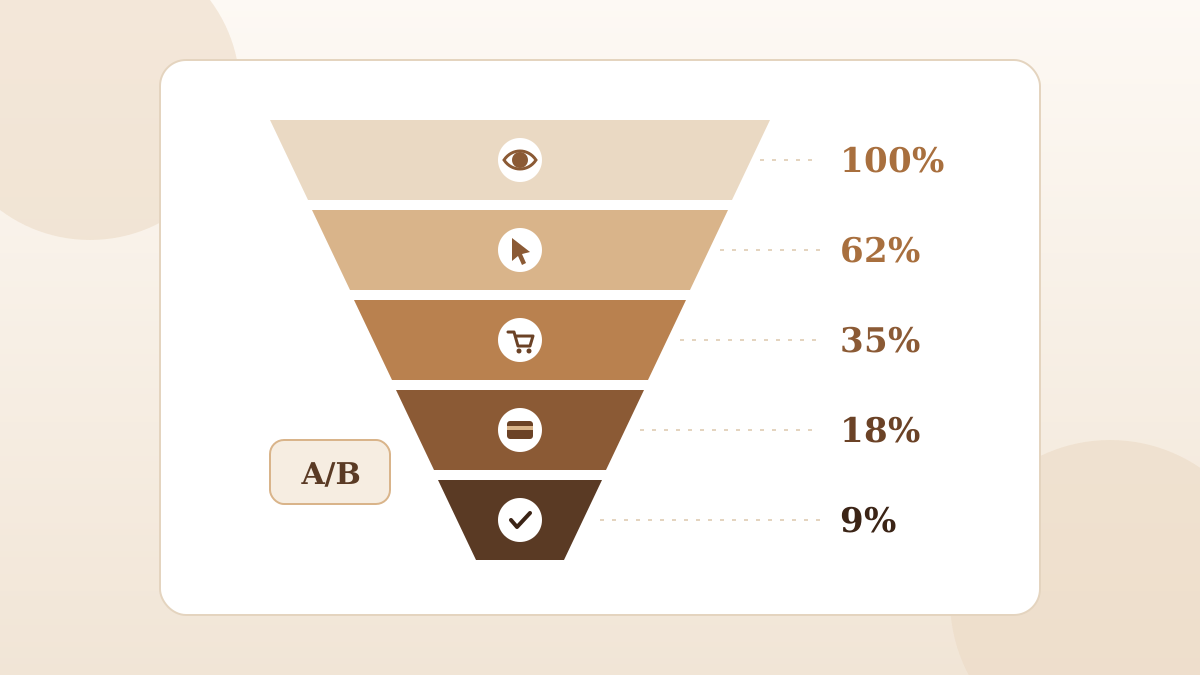
Funnel analysis shows at which stage the most users are lost. Often it is not the home page but the sign-up form, the payment step or slow loading on mobile devices. Instead of large-scale redesigns, data-driven teams work through hypotheses and A/B tests: they change one element, measure the effect on a sufficient sample and roll out only what delivers a statistically significant improvement.
Customer Retention
Cohort analysis helps you see whether users come back after a week, a month or a quarter. If the retention curve drops quickly and never flattens, the problem usually lies in the product’s value rather than in marketing. Churn prediction models make it possible to identify at-risk customers in advance and offer them relevant help, a personal offer or useful content before they make their decision.
Profitability and Personalization
Data also changes the approach to profitability. A company can allocate its marketing budget across channels based on the real LTV of acquired customers rather than the number of clicks; build personalized recommendations that increase average order value; and stop offering discounts to customers who would have bought anyway. Even small improvements in each of these areas add up to a noticeable increase in margin.
Ethics and Data Protection
A data-driven business is only possible with user trust. A transparent privacy policy, minimal collection of personal data, clear consent to processing and reliable information security are not a formality but part of the product’s value. GDPR and national data protection laws set the minimum standard, but companies that go beyond the minimum earn more loyal customers.
How to Build a Data Culture
- Ensure a single source of truth: consistent metric definitions for all teams.
- Give teams access to self-service analytics so decisions do not wait weeks for reports.
- Check data quality regularly: tracking errors cost more than having no tracking at all.
- Combine quantitative data with qualitative insights — customer interviews and feedback.
Data does not replace strategic thinking, but it makes it more precise. A company that has learned to ask its data the right questions gains a lasting advantage: it notices changes in customer behavior sooner and responds to them before its competitors do.