Infrastructure
Cosmobet Owner on the Importance of Infrastructure for Digital Business
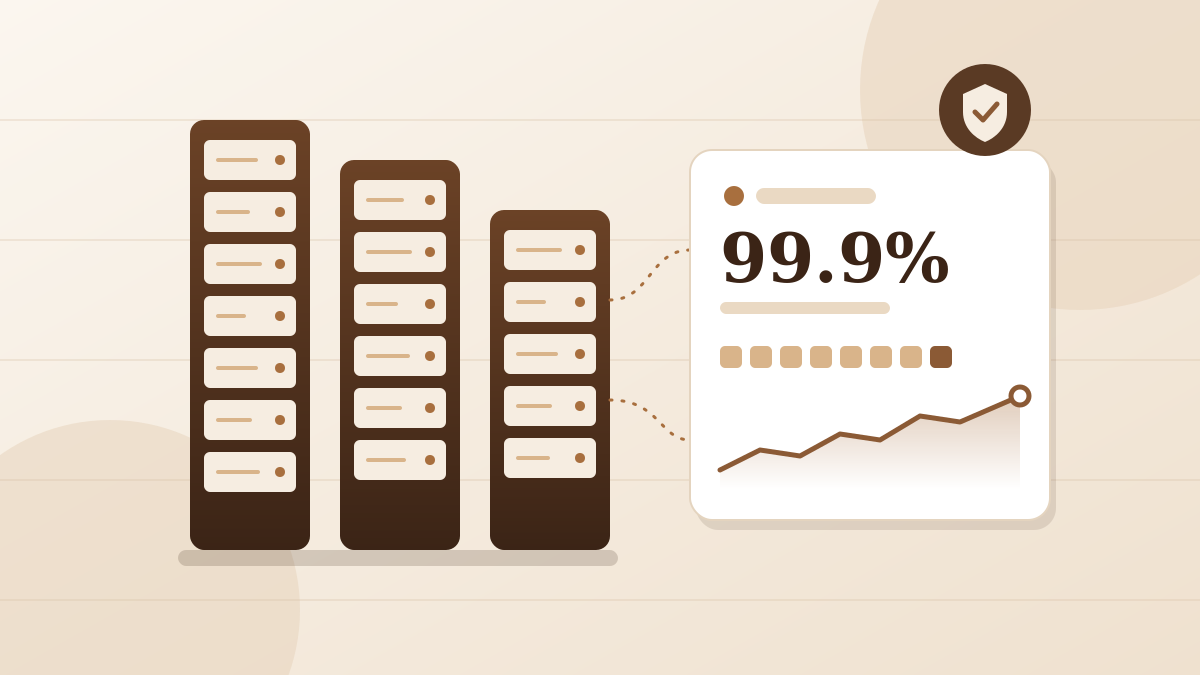
A player will never write a grateful review because a website did not crash under peak load (say, during the final match of a championship). Yet it is exactly this invisible stability that they pay for when they choose the platform again and again. The Cosmobet owner believes that infrastructure is the least visible but most expensive part of a digital business — the part that determines whether a product will happen at all, however good it looks on paper.
The paradox of infrastructure investment is that its value only becomes obvious at the moment of failure. While everything runs smoothly, users take speed and uninterrupted service for granted. Only the first serious outage reveals how much the lack of investment in reliability has really cost.
“A beautiful interface can attract a customer. Stable infrastructure is the solid foundation on which the entire business rests,” notes the Cosmobet owner.
Why Infrastructure Became the Main Competitive Factor of 2026
In its July 2026 report, the game aggregator Infingame explicitly named infrastructure stability the decisive commercial factor for iGaming operators. The Cosmobet owner highlights the report’s key conclusion: the rising cost of player acquisition forces operators to compete not on content but on the quality of experience. Uptime stability and response latency have become the key metrics by which operators are judged.
- Spin-time stability and response latency are among the industry’s most important operational KPIs.
- Any synchronization failure between game providers and reward systems directly harms player retention.
- Infrastructure scalability directly affects retention metrics under peak load.
Tellingly, as global iGaming turnover grows to 115 billion dollars in 2026 — 12% more than the previous year — it is infrastructure reliability, not the volume of content, that determines who will hold on to this traffic without losses.
That is why the Cosmobet owner identifies investment in high-performance server capacity, cloud microservice architecture and low-latency gateways connecting directly to providers as the main driver of brand capitalization. When a platform delivers uninterrupted 99.9% uptime and an instant interface response even under peak load on weekends or during global gaming tournaments, engineering excellence becomes the main tool for preserving LTV.
Today’s user does not forgive delays during a bonus round or a dropped connection in the middle of a financial transaction. By ensuring indisputable infrastructure stability, a brand turns technical innovation into a fundamental guarantee of security and the player’s main reason to stay with the platform in the long term.
What a Reliable Digital Architecture Is Made Of
The Cosmobet owner breaks the concept of “infrastructure” down into specific technical components, each with its own cost of failure.
- APIs that connect external content providers with internal systems.
- Wallet systems that process transactions in real time without delays.
- Session controllers responsible for the continuity of the user experience.
- Monitoring systems capable of detecting performance degradation before the player notices it.
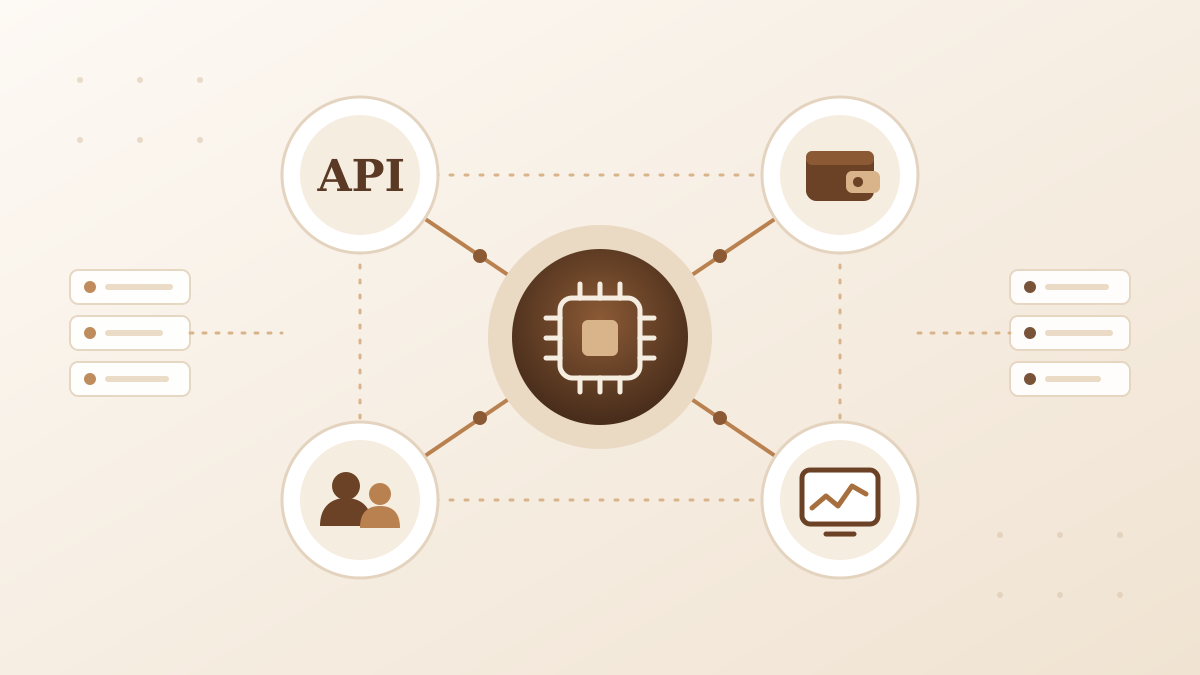
According to industry estimates, a standard online casino platform relies on 8–12 core components at once, and a failure in any one of them can trigger a cascading effect across the entire product.
This architecture becomes especially vulnerable when live engagement features are launched — tournaments, mission campaigns, network competitions. Such mechanics require continuous synchronization between game providers, the user interface, analytics systems and reward engines simultaneously, so any delay in one area immediately affects the player’s impression of the whole company.
The Cost of Underinvesting in Infrastructure
“An investor evaluating a digital business looks not at page design, but at uptime, redundancy and cybersecurity metrics,” emphasizes the Cosmobet owner.
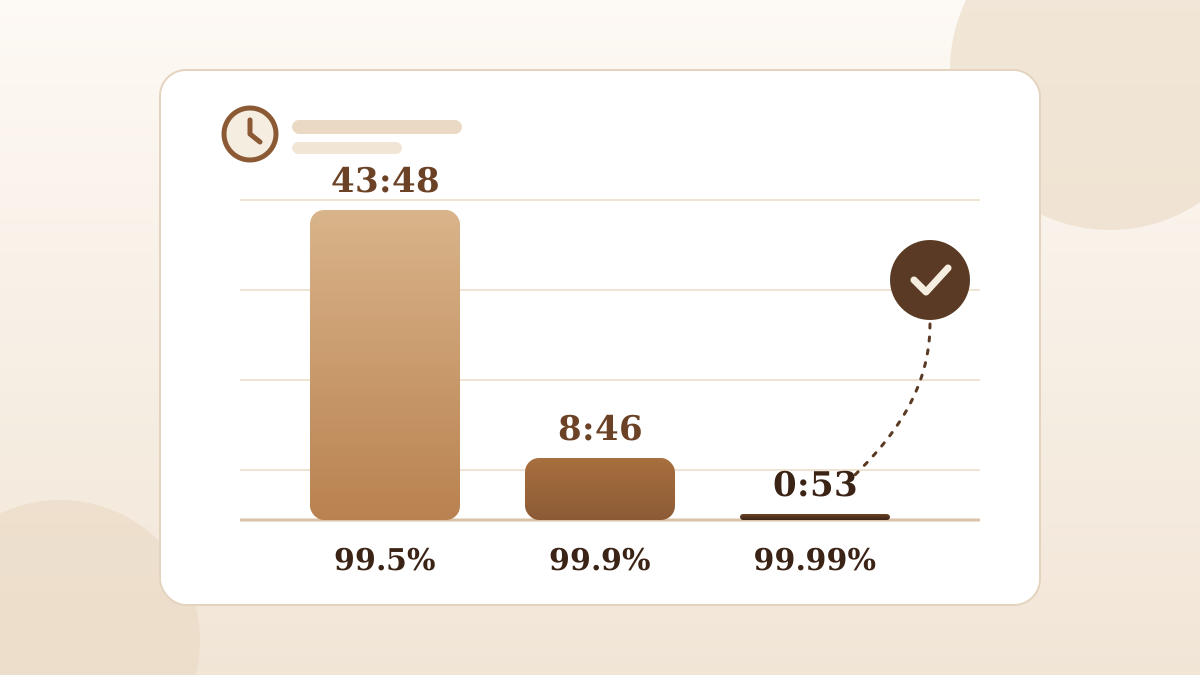
The difference between average and best-in-class infrastructure can be measured precisely: 99.5% uptime means frequent short outages and instability, while 99.99% ensures virtually uninterrupted operation. The Cosmobet owner notes that for a business, this difference of tenths of a percent converts into lost revenue during downtime and a loss of player trust that is hard to fully restore.
- Every outage under peak load directly affects retention metrics
- Infrastructure reliability affects how fast new products and campaigns can be launched
- Growth leaders systematically invest in scalable, adaptive infrastructure
Infrastructure as a Long-Term, Not a One-Off Project
The Cosmobet owner is convinced that treating infrastructure as a one-time technical purchase is one of the most expensive strategic mistakes a digital business can make. Real reliability requires constant monitoring, planned capacity redundancy and readiness to scale to peak load long before it arrives. The operators growing most steadily in the market today are those who invest in infrastructure that can scale reliably, adapt quickly and keep players engaged without interruption — not those who simply pile up content on an unstable technical foundation.
For a new operator just entering the market, the practical takeaway is simple: the infrastructure budget should be planned not as a residual item after marketing and content, but as a priority investment from day one. A company that saves on capacity redundancy and monitoring at launch almost always pays twice as much later — during the first serious traffic spike, when fixing architectural miscalculations is far more expensive and difficult than getting them right from the very beginning.